

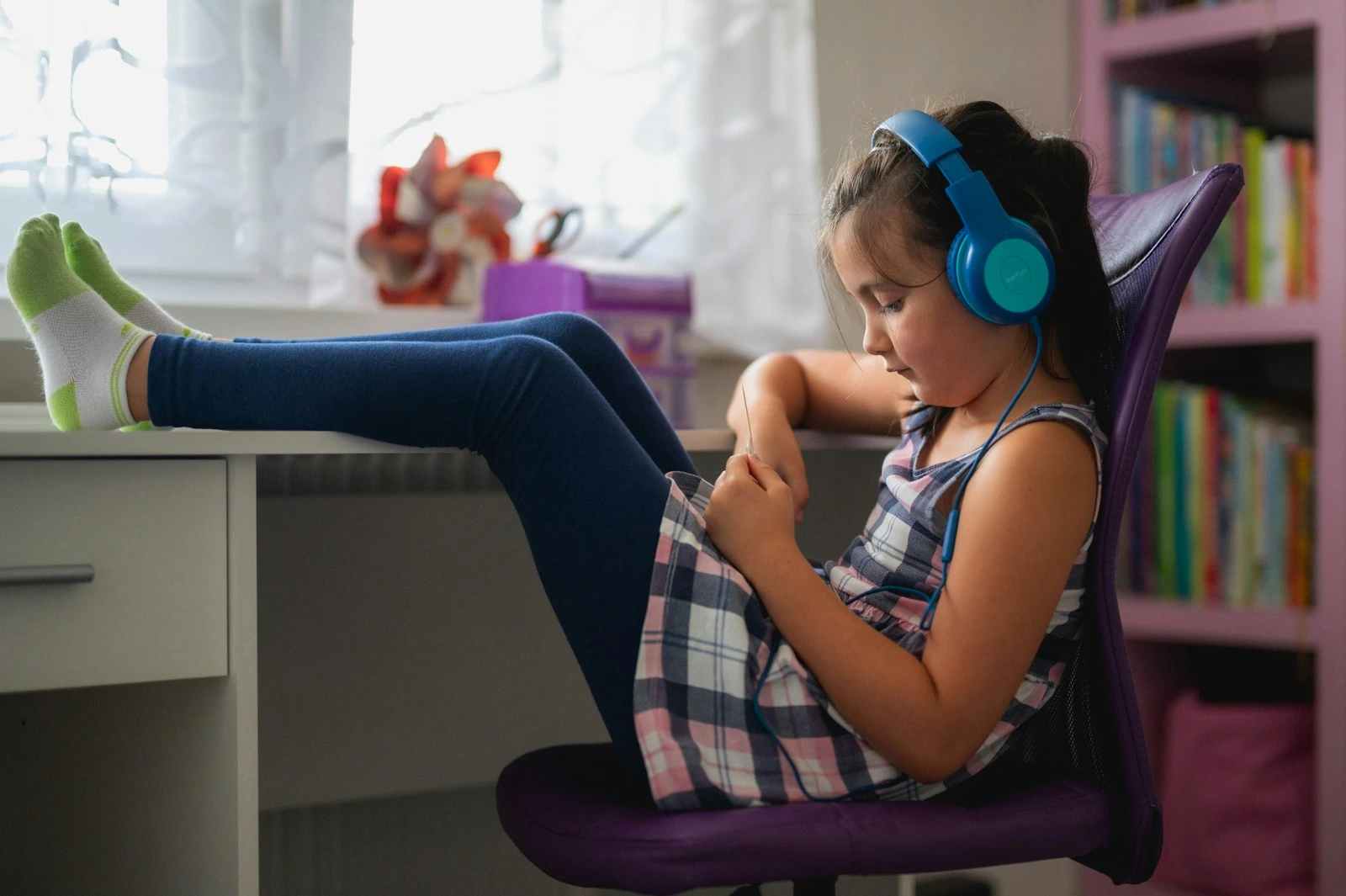
For many parents of children with autism, everyday experiences can sometimes feel unexpectedly overwhelming. A crowded grocery store, the sound of a vacuum cleaner, or the feeling of certain clothing against the skin may cause discomfort or distress. What seems like a small part of daily life to others can feel intense and overwhelming for a child with sensory sensitivities.
Sensory differences can also affect everyday routines, including mealtimes, where certain tastes, smells, and textures may contribute to picky eating in children with autism.
Sensory sensitivities are not simply behavioral challenges. They reflect differences in how a child experiences and responds to the world around them. By understanding these differences and using supportive strategies, parents can help their children feel more comfortable, confident, and secure in everyday situations.
Understanding Sensory Sensitivities in Children with Autism
Children with autism may process sensory information differently. Some experience heightened sensitivity to sounds, lights, textures, smells, or movement, while others seek out additional sensory input to feel comfortable and regulated. Sensory sensitivities can show up in different ways, including:
- Sensitivity to sound — Everyday noises like hand dryers, alarms, or crowded spaces may feel overwhelming.
- Sensitivity to touch — Clothing tags, certain fabrics, or unexpected physical contact may cause discomfort.
- Sensitivity to light — Bright lights or visually busy environments can make it difficult to focus or relax.
- Sensory-seeking behaviors — Some children enjoy spinning, jumping, rocking, or touching objects to meet their sensory needs.
- Difficulty with transitions — Moving between environments with different levels of sensory stimulation may feel stressful.
Every child experiences sensory input differently. Recognizing these patterns is an important first step toward creating environments that support their individual needs.
Recognizing Signs of Sensory Overload
Sensory overload happens when the amount or intensity of sensory information becomes difficult for a child to manage. When this occurs, children may struggle to communicate what they are feeling.
Some children respond by covering their ears, avoiding certain spaces, crying, or becoming upset. Others may withdraw, become quiet, or seek comfort through repetitive movements.
Rather than focusing only on the behavior, try to understand what may be causing the discomfort. Pay attention to when these reactions happen and what is happening in the environment.
For example, if your child becomes distressed during a shopping trip, the combination of bright lights, background music, and crowds may be contributing to their discomfort.
Recognizing these triggers can help you make thoughtful adjustments before sensory overload occurs.
Creating a Sensory-Friendly Environment at Home
A supportive home environment can make a meaningful difference for children with sensory sensitivities. Small changes to everyday routines can help reduce stress and create a greater sense of predictability.
Start by identifying areas where your child feels most comfortable. Consider creating a quiet space with soft lighting, familiar objects, and comforting activities where they can relax when they need a break.
You can also make daily routines more sensory-friendly by offering comfortable clothing, reducing unnecessary background noise, or giving your child advance notice before using loud appliances. Visual schedules and consistent routines can also help children understand what to expect throughout the day.
Remember, the goal is not to eliminate every sensory experience. It is to create a supportive environment where your child feels safe and has opportunities to communicate their needs.
How In-Home ABA Therapy Can Support Children with Sensory Sensitivities
For children with sensory sensitivities, learning new skills in a familiar environment can make a meaningful difference. In-home Applied Behavior Analysis (ABA) therapy allows children to receive individualized support in a space where they already spend much of their time, surrounded by familiar routines and comforts.
One benefit of in-home ABA therapy is the opportunity to address sensory-related challenges as they naturally occur. Instead of practicing skills only in a separate therapy setting, therapists can observe how a child responds to everyday experiences, such as getting dressed, transitioning between activities, or managing household sounds.
This allows therapists to identify specific triggers and develop practical strategies tailored to the child’s needs. For example, a child who becomes overwhelmed by the sound of a vacuum cleaner may learn to request a break, use noise-reducing headphones, or communicate when they need a quieter space.
In-home therapy also creates opportunities for parents to participate in the learning process. By working alongside therapists, families can learn how to recognize sensory triggers, respond to signs of discomfort, and reinforce helpful communication and coping skills throughout daily routines.
Through individualized strategies, positive reinforcement, and consistent support, in-home ABA therapy can help children build confidence and independence while respecting their sensory needs. The goal is not to force children to tolerate uncomfortable experiences, but to help them develop the skills and support systems they need to navigate everyday life more comfortably.
Helping Your Child Feel Comfortable and Confident
Sensory sensitivities can make everyday activities more challenging, but understanding your child’s experiences can open the door to meaningful progress. By recognizing sensory triggers, making thoughtful environmental adjustments, and encouraging communication, families can help their children navigate daily life with greater comfort and confidence.
At Milestones DFW, our team provides individualized, evidence-based in-home ABA therapy to help children with autism develop important communication, coping, and daily living skills. By working with children in their familiar home environments and partnering closely with families, we help build practical skills that support each child’s unique needs, one milestone at a time.
Want to learn how in-home ABA therapy could support your child? Contact Milestones DFW to speak with our team about your family’s needs.